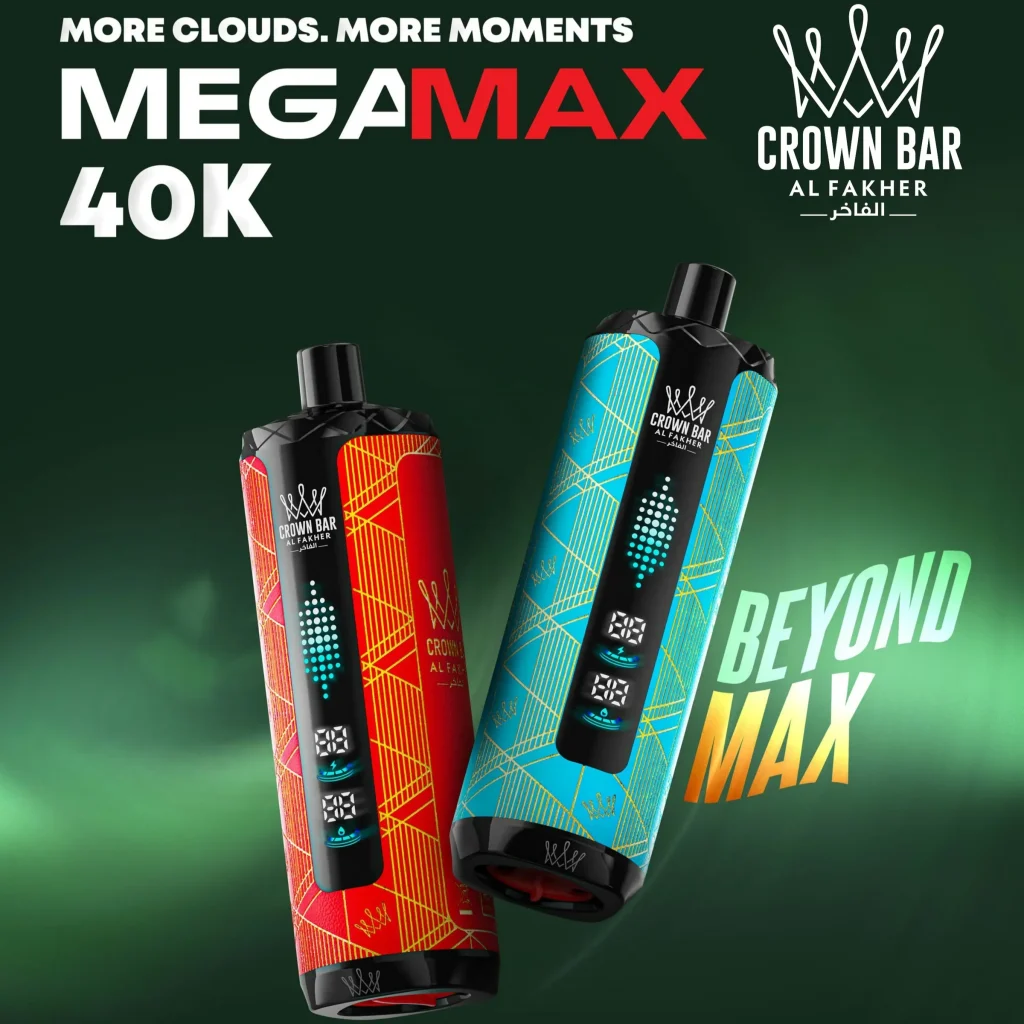
How long does a vape last? There is no fixed number of days: duration depends on the available liquid, the amount used in each draw, device output, battery condition and individual habits. An advertised puff count is a capacity estimate under a test method, not a promise that every user will reach the same number.
Estimate days by dividing the advertised puff count by an assumed daily count, then treat the result as a scenario—not a guarantee. A longer draw, higher-output mode, open airflow or favourite flavour channel can shorten real use. A hardware or charging problem can also end use before the liquid is empty.
Three different meanings of “how long do vapes last?”
People often combine three separate questions. Keeping them apart makes the answer more useful.
Liquid duration
How long the available e-liquid lasts before flavour and vapour decline or a level indicator reaches empty.
Battery runtime
How long one charge lasts. A rechargeable device may need several charges before its liquid is depleted.
Device or coil life
Whether the heating system, pod, charging circuit and controls remain usable until the intended end point.
A device that needs charging is not necessarily empty. Conversely, a full battery display does not prove that liquid still reaches the wick. If a vape becomes damaged, leaks or overheats, its safe usable life has ended regardless of the displayed percentage.
What does an advertised puff count mean?
A puff count describes draws produced under a chosen set of conditions. Draw volume, duration, interval and device mode all influence the result. CORESTA Recommended Method 81, for example, defines a machine-vaping regime of 55 ml over three seconds with a puff beginning every 30 seconds. That standard helps laboratories compare measurements; it does not prove that every manufacturer uses the same regime for every headline claim.
Natural-use studies also show wide variation in draw length, flow and volume between users and within the same user over time. Therefore, “30,000 puffs” cannot be converted into one universal number of days without assumptions.
The result is arithmetic based on two assumptions. It is not a performance warranty.
How long should a vape last? Worked scenarios
The table below uses 12,000 advertised puffs only to show how daily behaviour changes the calculation.
| Advertised capacity | 150 puffs/day | 300 puffs/day | 600 puffs/day |
|---|---|---|---|
| 12,000 puffs | 80 days | 40 days | 20 days |
These figures do not adjust for draw size, power, liquid capacity, ageing or failures. A 24-hour study of 24 regular users reported an average of about 156 puffs per day, but the sample was small and individual behaviour varied. It is useful as an example of variation, not a recommended or “normal” daily target.
Why “how long do vapes last?” has different answers
Longer or larger draws generally use more liquid than short machine-style puffs.
Higher output can increase vapour and liquid consumption per draw.
An open draw can change how deeply and how long a person inhales.
On multi-flavour devices, favourite channels may empty long before others.
Charging equipment, cell condition or component failure may stop use early.
Heat, cold, leakage and poor storage can affect both liquid and electronics.
How long does a disposable vape last in real use?
For a sealed disposable, practical duration ends when the usable liquid is depleted, the heating system no longer works normally, or a non-recoverable fault occurs. A rechargeable battery can extend access to the remaining liquid, but charging does not create more liquid and does not make a sealed device refillable.
For a refillable system, the body may last through many pod or coil changes. In that case, ask separate questions: how long does one fill last, how long does one coil or pod last, and how long does the battery hold a useful charge?
This is why the broader question how long does a vape last should always identify which resource ended first: liquid, one battery charge, a replaceable consumable or the complete device.
The same distinction matters for multi-flavour models. A device can still contain liquid overall while one preferred chamber is empty. See the multi-flavour vape comparison for channel-specific trade-offs.
What current product data can—and cannot—show
Product specifications are useful inputs, but they are not independent lifespan results.
| Example | Retained specification | Responsible interpretation |
|---|---|---|
| FIHP Crystal Promax 12000 | Advertised 12,000 puffs, 20 ml, 650 mAh | A worked-example input, not proof of 12,000 personal draws |
| FUMOT Tornado 15000 | Advertised 15,000 puffs, 25 ml, 850 mAh | The brand describes the count as “up to” under test conditions |
| VOZOL Gear 50000 | Advertised 50,000 puffs, 30 ml, adjustable controls | Mode and airflow may change consumption; market legality must be checked separately |
| AL WAHA Rocket 200K | Advertised 200K puffs, 30 ml, 1000 mAh | A very high headline count still needs an disclosed test method before conversion into months |
FUMOT’s own FAQ estimates 12–15 days for the Tornado 15000 and less than ten days for heavy use, but it does not publish a sample, daily puff count or complete method. A JNR AeroX sales page uses 1.5-second puffs and simple arithmetic to suggest 80–160 days. These examples demonstrate why methodology matters more than a large number on its own.
Small-sample user reports: useful, but limited
SiloVape has one externally sourced comment in which a FIHP Monkey 30000 user said the liquid ran out after 25 consecutive days and that the duration met expectations. That is a genuine user-reported scenario, but daily puffs, draw length, mode, batch and charge count are unknown. It cannot become a 25-day average or a guarantee that the device delivered exactly 30,000 puffs.
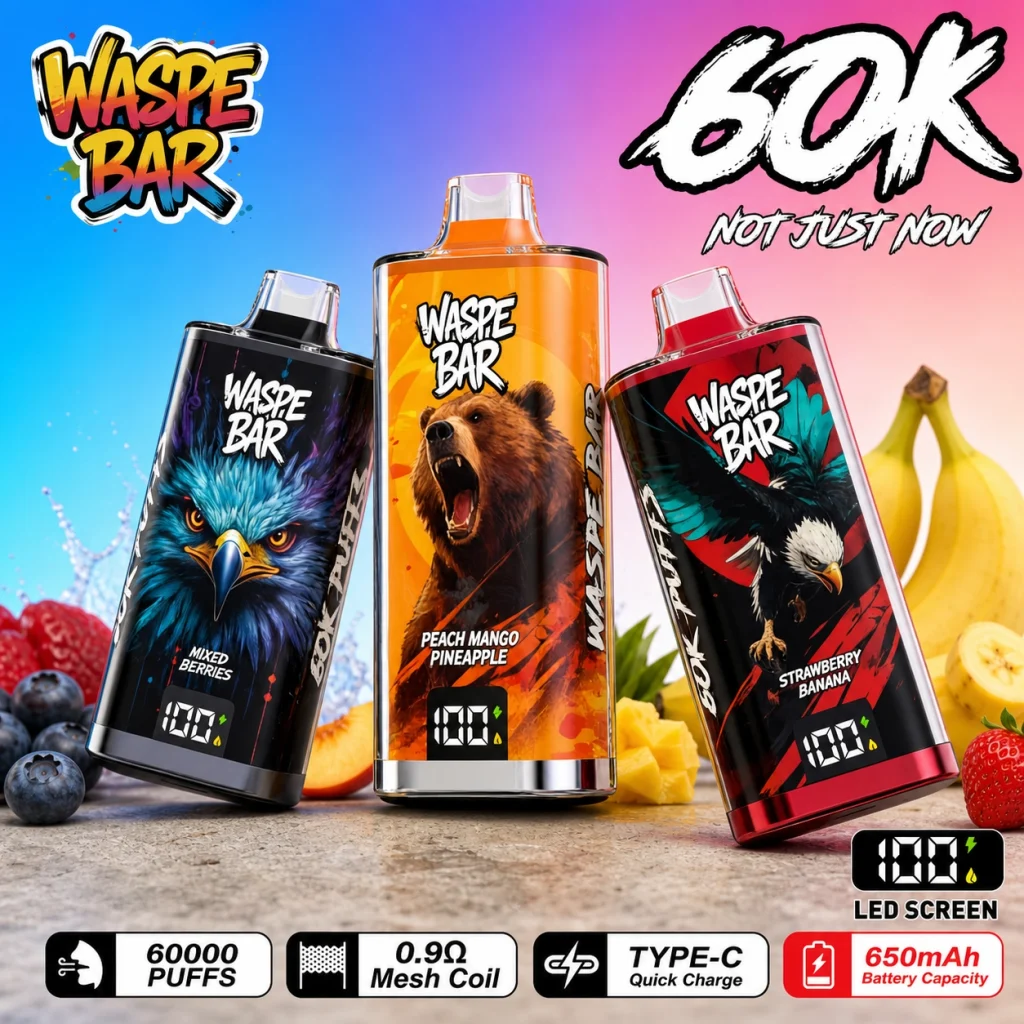
Another single comment about a WASPE 200K described fast liquid use because the user preferred some flavour combinations over others. This supports a sensible principle: channel preference can create uneven depletion. It does not prove a hardware problem or a normal lifespan for the model.
Finally, one JNR Falcon X 18000 support case ended early with reported battery failure at roughly 50% use. The investigation found an old, unstable charging adaptor, creating a major external confounder. That case belongs in the “device stopped before liquid depletion” category, not a model failure rate.
One user can illustrate a scenario. A useful model lifespan range needs several devices, consistent logging, more than one adult tester and the same definition of “finished.” Complaint counts need a sales denominator before anyone calls them a rate.
Signs a vape is near the end of its usable life
At this point, how long should a vape last becomes an end-of-life question rather than a puff-count calculation. The next action depends on the signal, not on whether the headline number has been reached.
| Signal | Possible meaning | What to do |
|---|---|---|
| Liquid indicator is low and vapour/flavour declines | Liquid may be nearly depleted | Stop if taste becomes dry or burnt; do not open a sealed device |
| Battery reaches empty but device is rechargeable | One charge cycle has ended | Recharge only with suitable equipment and according to the manual |
| Persistent burnt taste | Wick, pod or liquid supply may be exhausted | Stop and follow the burnt-vape guide |
| Error lights, no activation or unstable charging | Component, contact or power-source problem | Stop repeated testing; check the manual and contact support |
| Leakage, deformation or unusual heat | Unsafe device condition | Stop using and move to the appropriate return or recycling process |
An empty display is not the only end signal. Likewise, a remaining percentage does not justify using a damaged or overheating device.
A better way to compare high-puff devices
Instead of asking only how many puffs are in a vape, compare the underlying variables:
- Published test conditions: draw duration, volume, interval and active mode.
- Liquid arrangement: total volume versus separate chamber volumes.
- Power system: battery capacity, rechargeability and supported modes.
- Replaceable parts: whether a pod or coil is designed to be changed.
- End-point definition: liquid empty, taste decline, coil failure or device shutdown.
- Market version: product specifications and legal availability can differ by country.
Commercial puff-count categories can help organise products, but use them as discovery filters rather than duration promises.
How long does a vape last? FAQ
Can I convert puff count directly into days?
Only as a labelled scenario: divide the advertised count by an assumed daily count. Real duration changes with draw size, power, airflow, liquid use, hardware and charging.
Does a bigger battery mean more total puffs?
Not by itself. A bigger battery affects available energy, while total use also depends on liquid volume, output, coil efficiency and whether the device can recharge safely.
Why did one flavour run out before the others?
A preferred channel may be selected more often, and chamber sizes or coil arrangements may differ. Record channel use rather than assuming a fault from uneven depletion alone.
Should I keep using a vape until the screen reaches zero?
No. Stop earlier if it leaks, overheats, tastes persistently burnt, becomes damaged or fails to operate normally.
Conclusion
So, how long does a vape last? Use puff-count arithmetic to plan a range, then adjust expectations for personal behaviour, mode, airflow, liquid arrangement and hardware condition. The honest answer is a documented scenario with limitations—not a guaranteed number of days taken from the product name.
Sources and methodology
- CORESTA Recommended Method 81
- Electronic cigarette topography in the natural environment
- Week-long topography study
- Circadian puffing behaviour study
- Power and puffing-topography study
Facts were checked on 18 August 2026. Product counts are manufacturer or catalogue claims unless a method is explicitly stated. SiloVape examples are single cases or externally sourced user comments, not statistically representative tests.