How to vape safely starts with identifying the device in your hand, reading its instructions and using only the parts and charging equipment intended for it. A disposable, a refillable tank and a replaceable-pod system do not share the same setup. This guide gives adult users a practical first-use process without treating vaping as risk-free or encouraging non-smokers to start.
Vape products are not for minors or people who do not already smoke or vape. Nicotine is addictive. If you are pregnant, have a health condition or have symptoms after vaping, seek advice from a qualified health professional. This article explains device operation, not medical treatment or smoking-cessation care.
How to vape for the first time: a 60-second check
Before taking a first draw, pause long enough to check the product rather than relying on its shape. Packaging, nicotine information, instructions and visible condition all matter.
Is it sealed, refillable, or designed for a replaceable pod? Do not assume that a charging port means the liquid can be refilled.
Check the nicotine strength, flavour, warnings, market version and any first-use directions supplied with the device.
Do not use a product that is cracked, leaking, swollen, wet, unusually hot or visibly damaged.
Remove only the mouthpiece plug, airflow sticker or protective tab shown in the instructions. Never puncture the casing.
The NHS advises that vaping is intended for adult smokers rather than children or non-smokers. Country rules differ, so users should also read the applicable age and sales policy before ordering.
How to use a vape by device type
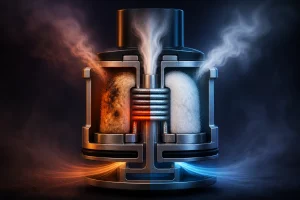
The quickest answer to “how do you vape?” depends on how the liquid reaches the heating element. Use this format guide before following any model-specific controls.
Disposable vape
- Unpack the device.
- Remove the indicated plugs or stickers.
- Check for damage or leakage.
- Take a gentle draw if it is draw-activated.
Do not: open, puncture or improvise a refill for a sealed device.
Refillable vape
- Locate the designed fill port.
- Add the specified e-liquid without exceeding the fill line.
- Close the seal securely.
- Let a new or dry wick absorb liquid for the time stated in the manual.
Do not: pour liquid into the airflow opening or use an incompatible coil.
Pod system
- Confirm the exact compatible pod.
- Remove the old pod without forcing it.
- Fill it first if it is an empty refillable pod.
- Insert it fully and allow time for saturation where required.
Do not: mix incompatible pods or dismantle a sealed cartridge.
Some products combine categories. For example, a pod may be removable and refillable. The manual for the exact model always takes priority over a general description.
How to use a vape: activation, airflow and first draw
Many simple devices are draw-activated: airflow created by inhaling triggers the device. Others use a button, a lock sequence or a mode selector. If a button is present, do not guess the click pattern. Check the instructions first, especially where the same control changes power, airflow or lock status.
Start with a gentle, controlled draw. A hard pull is not a reliable way to make a device work and may draw excess liquid into the airway. If nothing happens, check the protective seals, pod seating, charge level and instructions. Repeatedly inhaling from a device that leaks, overheats or displays an error is not troubleshooting.
Gentle draw → check normal vapour and indicator behaviour → pause. If the result is abnormal, stop and inspect the device instead of increasing force or taking several rapid test puffs.
How to inhale vape: MTL, DTL and RDL
People searching how to inhale vape often meet three abbreviations. They describe airflow and inhalation style, not a health ranking.
| Draw style | Basic action | Typical airflow | What to verify |
|---|---|---|---|
| MTL — mouth to lung | Vapour is held briefly in the mouth before inhalation | Usually tighter | Device positioning, airflow setting and labelled nicotine strength |
| RDL — restricted direct lung | A more open draw than MTL but more restricted than DTL | Medium | Whether the device or coil is designed for the selected setting |
| DTL — direct to lung | Vapour is inhaled directly with a more open draw | Usually more open | Recommended airflow, power and liquid configuration |
Do not force a tight device into a DTL draw or close an open device solely to copy MTL. Airflow, coil resistance, power, liquid and nicotine strength interact. Read the full MTL vs DTL comparison before changing settings on an adjustable device.
Reading battery, liquid and mode indicators
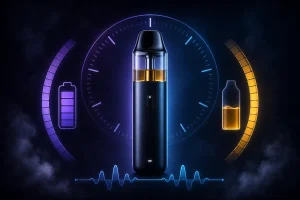
Displays can make learning how to use a vape easier, but icons are not standard across every brand. Treat the manual—not a similar-looking screen—as the decoder.
| Indicator | Usually refers to | Safe response |
|---|---|---|
| Battery bar or percentage | Remaining battery charge | Recharge only if the model is designed for charging |
| Droplet or liquid bar | Estimated liquid level | Treat it as an estimate; stop if flavour becomes burnt or the device behaves abnormally |
| Wattage, mode or coil icon | Output or active heating mode | Change only within the documented range |
| Lock symbol | Button or operation lock | Use the stated unlock sequence; never bypass a safety lock |
| Repeated flash or error code | Protection event or fault | Stop and check the model manual before further use |
A real charging lesson from one support case
In one SiloVape support record, a JNR Falcon X 18000 was reported with battery failure after about half of the product had been used. The investigation found that the customer had connected it to a charging adaptor discontinued in 2005; its current output was visibly unstable when checked. The case ended with a half refund.
This single case does not prove a model defect or prove that the adaptor was the only cause. However, it shows why “the plug fits” is not enough. Use a sound cable and power source that meet the device instructions. Stop charging if the connection cycles, smells unusual, becomes abnormally hot or behaves erratically. UK product-safety guidance likewise recommends using supplied or manufacturer-recommended charging equipment.
How to vape without common first-use mistakes
Repeated draws can outpace liquid supply to the wick. Pause between draws and stop if flavour becomes dry or burnt.
A refillable device may require saturation time before first use. Follow the coil or pod instructions.
Only add liquid through the marked fill port. Liquid in the airflow path can cause flooding or leakage.
Buttons may control lock, power or airflow. Guessing can select an unsuitable mode.
If the vape tastes burnt, do not keep inhaling to see whether it clears. Use the burnt-taste troubleshooting guide to separate a dry wick, exhausted pod and unsafe device condition.
When to stop using the device
- Leakage into the mouth, charging port or casing
- Swelling, cracking, water damage or deformation
- Unusual heat, smell, hissing or repeated fault indications
- Persistent burnt taste or failure to activate normally
- A damaged battery, cable or charging connector
Do not puncture, open or attempt a battery repair. A depleted battery, depleted liquid supply and hardware fault are different end points; the guide to how long a vape lasts explains those differences.
Storage, transport and disposal
Keep devices dry, away from heat, children, pets, keys and coins. Protect the mouthpiece from dirt and do not leave a charging device unattended for extended periods. When a vape reaches end of life, do not place it in ordinary household rubbish. It contains electrical components and a battery, so use a suitable local collection or vape take-back route. The European Commission’s WEEE overview explains the wider electronic-waste framework.
How to vape: quick FAQ
How do you vape with a disposable device?
Remove only the stated transport seals, inspect the device and take a gentle draw if it is draw-activated. Do not open or refill a sealed disposable. Model instructions take priority.
Do I need to charge a vape before first use?
Only if the model instructions say it is rechargeable and needs charging. A USB-C port identifies the connector, not the permitted power source or charging protocol.
How long should I wait after filling a pod?
Use the time stated by the pod or coil manufacturer. A new dry wick needs time to absorb liquid, but the correct interval varies by design.
Should a first vape draw feel harsh?
Stop if the sensation is unexpectedly strong. Recheck nicotine strength, airflow, mode and device condition. Persistent discomfort or health symptoms require qualified medical advice, not repeated testing.
Final checklist
Knowing how to vape is less about memorising one inhalation technique and more about matching the action to the exact device. Identify the format, read the instructions, use a gentle first draw, charge only with suitable equipment and stop when anything seems damaged or abnormal. That approach also makes later questions about draw style, lifespan and replacement parts much easier to answer.
Sources and editorial method
- NHS: young people and vaping
- UK Office for Product Safety and Standards: battery safety
- French DGCCRF: electronic-cigarette safety and use
- Innokin: MTL, DTL and RDL terminology
Facts were checked on 18 August 2026. The JNR charging example is one SiloVape support case with a significant external-equipment confounder; it is not a defect-rate claim.